


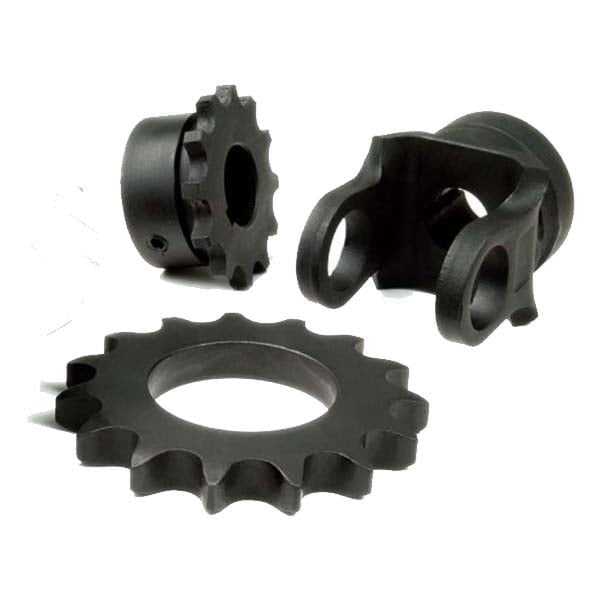
Chemical blackening, also known as black oxidation, is a sophisticated process that creates a black iron oxide layer on the surface of metals such as iron, steel, and stainless steel. This process not only improves the appearance of the metal but also provides a degree of corrosion resistance. The unique thing about chemical blackening is that the layer is extremely thin, making it ideal for applications where the dimensions of the product are crucial.
The chemical process of black oxidation
The chemical blackening takes place by immersing the metal object in a series of chemical baths. These baths typically contain a mix of copper salts and selenium compounds, which react with the iron in the metal to form a layer of magnetite (Fe3O4). This reaction takes place at room temperature or at elevated temperatures, depending on the specific process used.
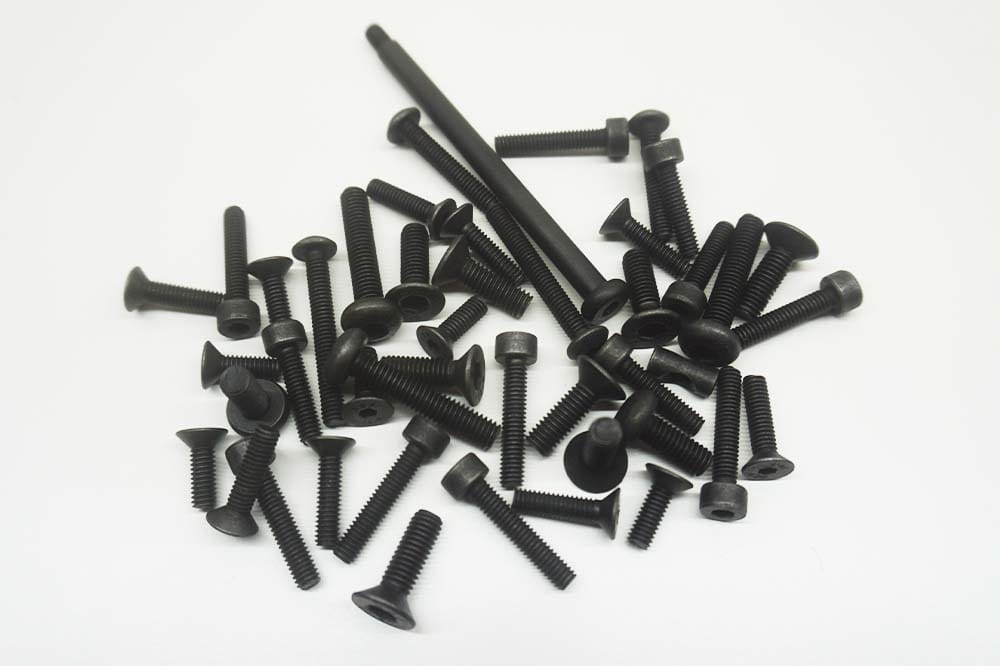
Hot or cold chemical blackening
Hot and Mid-Temperature Chemical Blackening: These processes take place at temperatures around 105-145°C and result in durable, corrosion-resistant finishes. It is ideal for parts that are exposed to harsh conditions. It can lead to slight dimensional changes due to the high temperatures.
Cold Chemical Blackening: This process works at room temperature and is less dangerous. Although the finish is less wear-resistant, it is ideal for aesthetic applications where no dimensional changes are desired.
Advantages of Chemical Blackening
Aesthetics: Chemical blackening gives metals an attractive, uniform black finish.
Corrosion resistance: The black oxide layer provides a degree of protection against corrosion.
No Dimensional Change: Unlike some other surface treatments, chemical blackening does not change the dimensions of the metal object.
Environmentally friendly: The cold blackening process, in particular, is more environmentally friendly than some alternatives, as it operates at lower temperatures and produces fewer hazardous substances.
Applications of Chemical Blacks
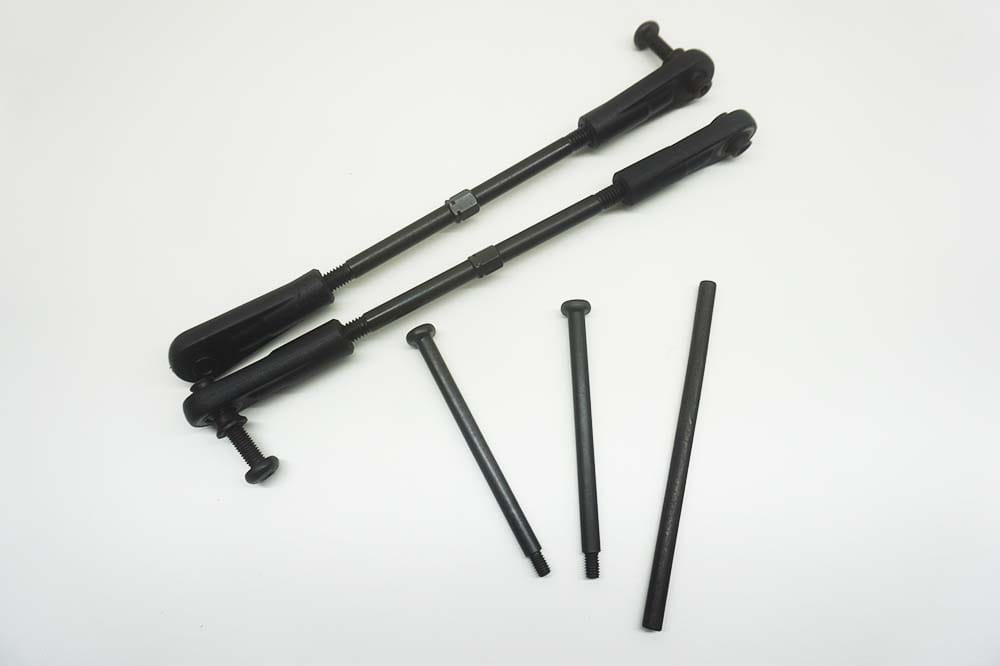
Chemical blackening is widely used in professional and hobby metal finishing, from car parts and tools to works of art and decorative items. The process is particularly popular for parts where precision is crucial and where an aesthetically pleasing finish is desired.
Advantages of cold chemical blackening over traditional hot methods include lower processing costs, as the process is carried out at room temperature, which reduces energy costs. Working at lower temperatures reduces the risk of burns and other accidents. In addition, the process is more environmentally friendly, as it generally generates fewer hazardous fumes and waste materials than the hot blackening process. However, the wear resistance and thickness of the black oxide layer provided by the cold process are usually less than that of hot chemical blackening or other surface treatments such as electroplating or anodizing. Therefore, cold chemical blackening is often chosen for applications where aesthetic considerations are more important than extreme durability or wear resistance.
Verzinkshop offers various products for cold chemical blackening of various metals. This includes
Chemical blackening is not only used in industrial applications, but also by hobbyists. Examples include art and decoration, car restoration, furniture fittings, musical instruments, and antique restoration. It is also popular for bluing weapons, not only protecting against corrosion but also providing an aesthetically pleasing finish and allowing the moving parts to glide better.
The process of cold chemical blackening involves preparing the metal, mixing the solution, blackening itself, rinsing and drying, and applying a sealer to protect the finish and provide corrosion resistance. No sealer is needed for stainless steel because stainless steel already has an antioxidant layer of its own that grows back within 24 to 48 hours after chemical blackening.
Examples of chemical blackening yourself
Chemical blackening of metals is often used for various industrial applications, but is also at home in hobby projects. Here are some examples:
Art and decoration: Blackening metal parts can be used in artwork and decorative pieces, such as sculptures, jewelry, or metal wall decorations.
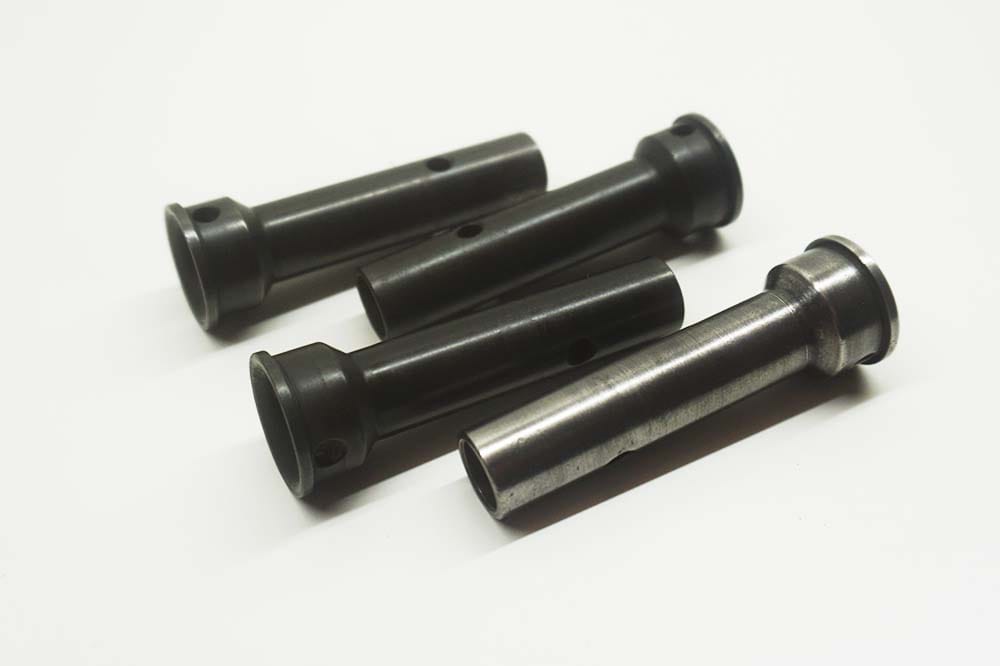
Car restoration: When restoring classic cars or motorcycles, various metal parts can be blackened to give them an authentic look, such as bolts, nuts and brackets, but connecting rods and bearings can also be blackened.
Furniture fittings: Metal parts of furniture, such as hinges, handles, and other decorative accents, can be blackened to create a unique and rustic look.
Instruments: In musical instruments, chemical blackening can be used to give metal parts a beautiful finish.
Hobby projects: For hobbyists who work on model making, such as scale models of airplanes, trains, or ships, blackening metal parts can help create realism and detail.
Antique restoration: When restoring antique items, such as candlesticks, clocks, or tools, chemical blackening can be used to restore damaged finishes.
Weapons: Weapons blueing is used to protect the metal of firearms from corrosion and rust. This treatment gives the metal a dark blue to black finish, which not only protects but also makes the weapon more aesthetically pleasing. In addition, the blackened metal of the weapon gets a form of lubrication due to the black oxide layer. This will allow the moving parts of the weapon to glide better.
The steps of cold chemical blackening in brief
Step 1: Preparation of the metal
Before you begin, the metal object should be thoroughly cleaned to remove all grease, oil, dirt, and rust. This ensures an even finish. For some types of extra hardened metal, an activator may be required to etch the surface and prepare it for blackening.
Step 2: Mixing the solution
For cold chemical blackening with the Verzinkshop Black Oxide products, start by mixing the Black Oxide or Black Oxide Ultra concentrate with water. Galvanizing Black Oxide is typically diluted in a 1:9 ratio (concentrate:water), which means that for each part of concentrate, you add nine parts of water. The exact ratio may vary depending on the specific product and desired finish.
The Black Oxide liquids are already mixed in the 1:9 ratio and ready to use.
Step 3: Chemically blackening the metal
Place the metal object in the solution. The process takes approximately between 2 to 5 minutes. During this time, a layer of magnetite (Fe3O4) forms on the metal, which gives it its black color. For larger or complex-shaped objects, a brush or sponge can be used to apply the solution or you can use a Black Oxide Gel. This is ideal for large objects that cannot be immersed in a bath and very suitable for vertical objects.
Step 4: rinse and dry
After blackening, rinse the object very well with water to remove residues of the solution. It is important to do this carefully. If residues of the acid bath or the black oxide liquid remain, the metal can oxidize. If necessary, you can apply some baking soda to the rinsing bath that is used after the chemical blackening, and before the sealer, to neutralize any remaining acid.
Step 5: Applying a Sealer for Protection
To give the metal and the black conversion coating corrosion resistance and protect the finish, it is necessary to apply a sealer . Verzinkshop offers specific products for this, such as the DeepSeal Metal Sealer or the Acrylic Metal Sealer.
If a sealer is not applied to a black oxide layer, it will begin to oxidize further as soon as it dries and comes into contact with oxygen.
This does not apply to stainless steel because stainless steel already has an antioxidant layer of its own, which grows back within 24 to 48 hours after chemically blackening stainless steel.
Finishing and Protecting Black Oxide Layers with Sealers
After chemical blackening, it is very important to finish the black oxide layer with a sealer to prevent further oxidation. For this purpose, Verzinkshop offers some products such as the
Verzinkshop DeepSeal Metal Oil Sealer is a very professional sealer. This sealer penetrates deep into the pores of the black oxide layer, providing good protection against corrosion. It can be buffed for a refined finish and dries quickly, making it suitable for both industrial applications and hobby projects. This sealer is perfect for parts that are exposed to the elements or used in humid environments.
Verzinkshop Acryl Sealer is a glossy, very thin acrylic lacquer that dries quickly and gives an attractive finish. This sealer is particularly suitable for indoor use.
In addition, you can use any lacquer, oil, wax or other sealer of your choice.
Storage of the Black Oxide Liquid
After chemical blackening, the black oxide liquid can be stored in a sealed container for later use. Clearly label the container with its contents and the date of storage. Store it in a cool, dry place, away from direct sunlight and out of reach of children.
Self Safe Cold Chemical Blackening
Caution is advised when handling black oxide chemicals. These acidic substances are effective for blackening metals, but can pose risks if not used carefully. Always wear protective gloves and goggles to avoid direct contact with the skin and eyes. It is important to read the manuals provided and follow the safety guidelines.