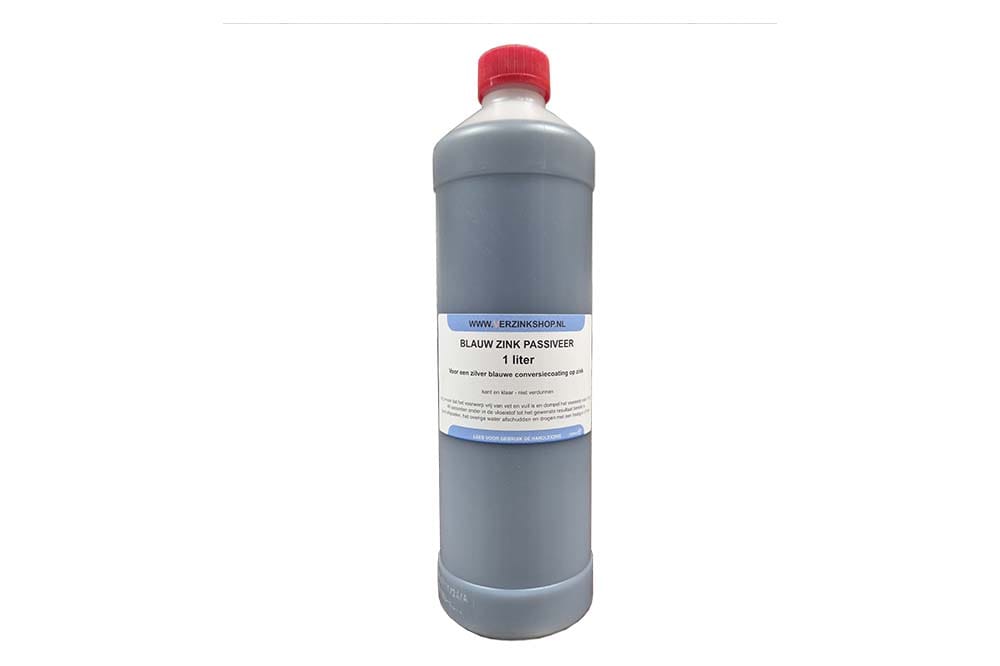
Blue zinc passivating agent
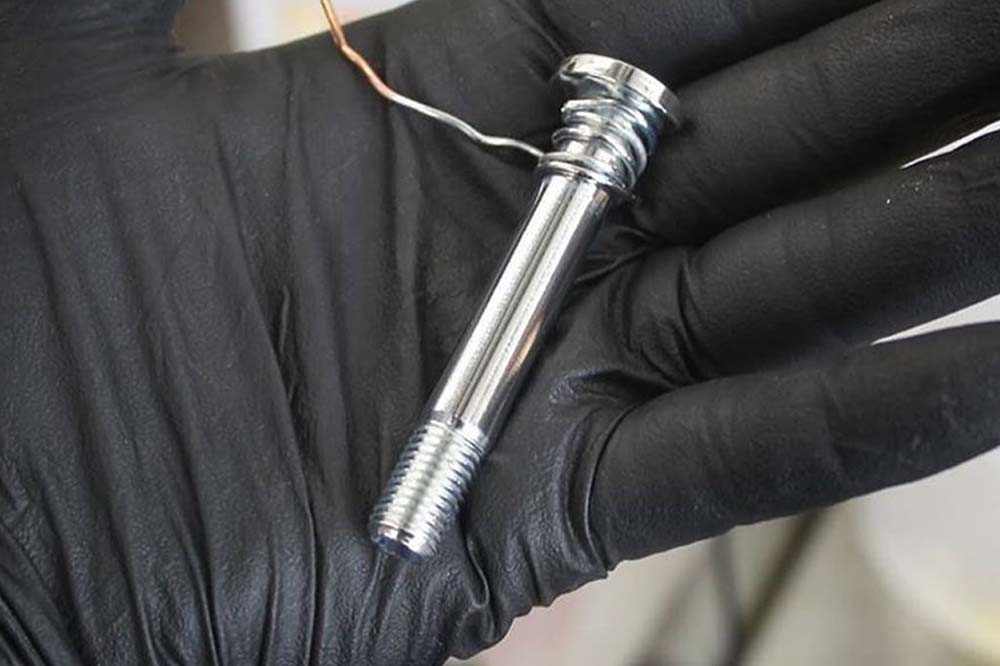
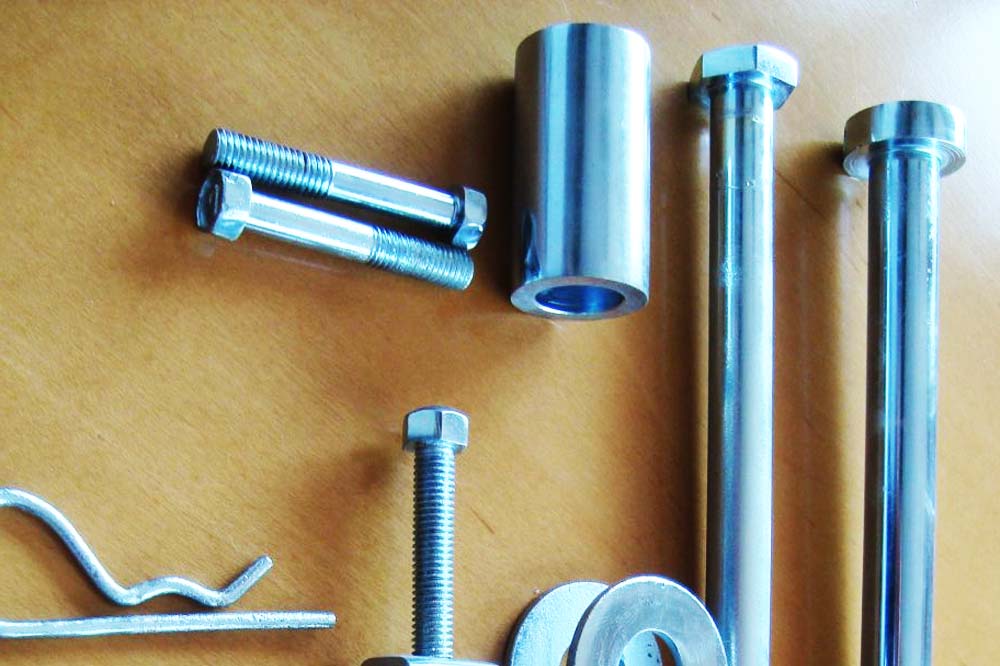
Zinc blue passivation with trivalent blue zinc passivating agent. This product forms a blue iridescent conversion layer on zinc with a very high corrosion resistance. The finish is clear and decorative and no top coat is required. Suitable for galvanized, galvanized and cast zinc. To be used after galvanizing with the Verzinkshop Galvanizing Kit. Zinc passivation is quick and simple: the liquid is delivered ready-to-use.
Properties
- Zinc Passivation with a Blue Clear Trivalent Conversion Layer
- High resistance to white rust with salt spray test up to 150 hours
- Resistance to red rust typically 240 hours depending on zinc thickness
- Bright chrome-like appearance without yellow cast
- User-friendly and stable in daily use
Working parameters
- Process time 15 to 40 seconds – target value 20 seconds
- Operating temperature 18 to 32 °C – optimal 24 °C
- pH range 1.65 to 2.0 – optimal 1.8 (increase with ammonia, decrease with nitric acid)
- Agitation optional for a more uniform finish
- Bath and tanks made of PE, PVC, STAINLESS STEEL 304 or stainless steel 316, PVC coated steel
Zinc passivation in steps
- Galvanize and rinse thoroughly in a separate sink
- Neutralize briefly in a designated container and rinse again
- Dip for 15 to 40 seconds until the desired shade is achieved
- Rinse in a separate container and dry with forced warm air around 65 °C
Applications and examples
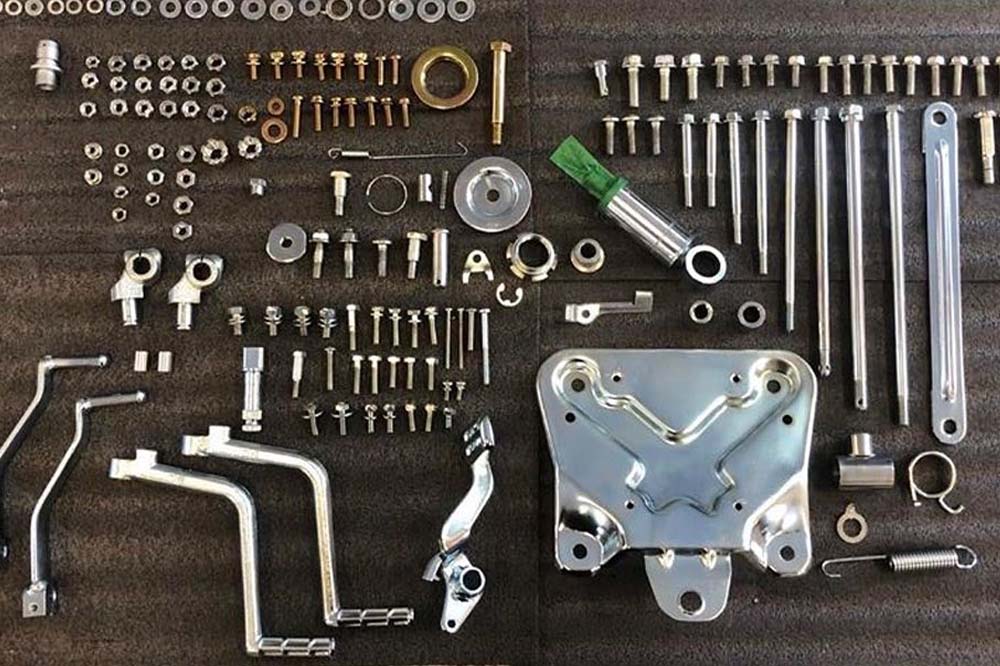
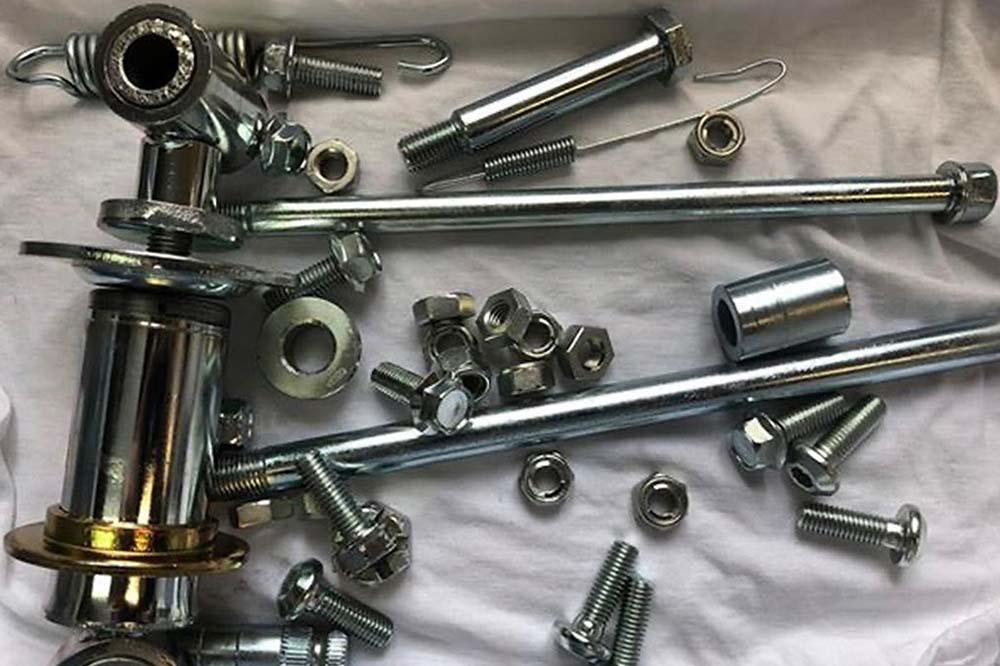
This trivalent blue passivation is ideal for passivating freshly galvanized parts blue for a sleek and clear result. Think of mounting hardware, mounting brackets, machine plates, automotive hardware and decorative parts. The blue passivation of cast zinc parts works just as well when the substrate is clean and active. The conversion layer creates a protective barrier that protects zinc from white rust and extends its lifespan in storage and use. If you want to use zinc passivation at home or in the workshop, this product provides a reproducible process with constant colour and gloss. For small series and prototyping, dipping is the most efficient. For larger series, baskets can be used so that the lead time remains low without compromising on quality.
If you want to refresh an existing zinc layer, you can immediately passivate blue after degreasing and activating light. This restores passive protection to surfaces that have been slightly damaged by installation or short-term storage. The result is a bright blue iridescent effect that many customers associate with new parts. The layer is thin and does not affect fit and threads, so post-treatment is rarely necessary.
Pre-treatment and substrate
A good pre-treatment determines the end result of zinc blue passivation. Grease, oxide or grease causes stains. Therefore, work with clean gloves and separate rinsing baths. Cast zinc can have silicates or graphite on the surface. A short neutralization in a designated container ensures that the surface reacts actively and evenly. After rinsing, the water film should not break down into droplets. An even water film indicates a clean surface with the right surface energy, ready for trivalent blue passivation. For deeply profiled or perforated parts, light movement in the bath helps to loosen air bubbles, so that the conversion layer builds up evenly throughout.
The zinc thickness affects the corrosion resistance. Thicker zinc layers withstand longer exposure in salt spray tests. The passivation layer itself is thin and clear, retains the metallic appearance and does not affect sizing. This makes the process suitable for precise mechanical parts and threaded applications where tolerance maintenance is crucial.
Aftercare and drying
After passivating zinc, always rinse in a separate container to avoid dragging chemicals. Dry with forced warm air around 65 °C for a stain-free and clear result. After drying, it is preferable to allow parts to stabilize briefly on racks in a dry, dust-free area before packing or assembling them. This allows the conversion layer to fully cure, which supports corrosion resistance. Do not pack until the surface is completely dry to prevent moisture retention in bags or boxes. For storage in humid environments, a dry area and breathable packaging will help to avoid condensation. This approach helps protect zinc during transport and warehouse storage.
Process control and bath maintenance
Keep the pH within the specified range and correct small deviations in a timely manner. Increase with ammonia and decrease with nitric acid as stated in the working parameters. Work with clean plastic or stainless steel tools to avoid contamination of the bath. Use separate trays for degreasing, rinsing, neutralizing and passivating so that each step remains under control. Change a sink when it becomes cloudy. Cover the passivation bath when not in use and prevent zinc sludge or dirt from entering the bath. Heavy use may require periodic filtration or refreshment to maintain a consistent surface and color. Record process time, temperature, and pH so you can easily repeat and scale up the process.
Common mistakes and solutions in zinc passivation
Dull spots often indicate insufficient cleaning or stagnant air bubbles. Improve pre-treatment and ensure light movement in the bath. Too dark or uneven iridescence can indicate too long dipping time; Reduce the time or reduce the temperature within the specified range. White rust that occurs faster than expected can be a sign of damp storage or insufficient drying. Extend the drying phase with warm air and only pack when the surface is completely dry. If the color seems too weak, check the pH and bring it back to the guide value so that the conversion reaction is optimal. In the case of cast zinc, a short neutralization can ensure a more even result.
Why trivalent blue passivation
Trivalent blue passivation is the current standard for those who want to protect zinc with a clear and neutral appearance. The process is fast, repeatable and suitable for both single pieces and small series. You can blue passivate galvanised parts yourself without complex installations. The result is immediately ready for assembly while maintaining dimensions and threads. For those searching for zinc blue passivation, blue passivation or trivalent blue passivation to apply yourself, this ready-to-use product is the practical choice. It combines an elegant appearance with effective protection against white rust so that parts remain clean and presentable during use and storage. Also for blue passivation of cast zinc parts, this product offers a reliable, reproducible finish that protects zinc in a variety of applications.





R.M. Vermeer (verified owner) –
See text at yellow passivation.
Philippe (verified owner) –
Does what it is supposed to do, now we have to wait and see how the galvanized pieces will withstand wind and weather.