


Steps for Proper Surface Treatment
Before chemically blackening, patinating or electroplating metal, it is important to prepare the metal surface thoroughly. Two commonly used techniques for this are etching and staining. These steps are crucial to create a clean, uniform and reactive surface, which greatly improves the adhesion and durability of the surface treatment.
What is the Difference Between Metal Etching and Staining?
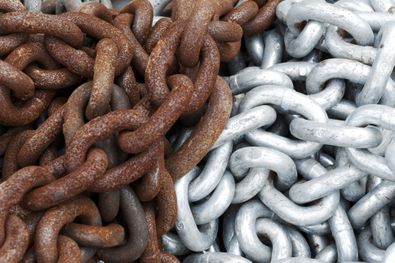
- Pickling is a more aggressive treatment that removes rust, mill scale, old conversion layers (such as black oxide) and heavy contaminants. This process is suitable for heavily soiled or rusty metals. Pickling provides a deeper cleaned surface, ready for further treatments such as galvanizing or chemical blackening.
- Etching is a milder treatment that lightly roughens the surface. This promotes the adhesion of coatings and other chemical processes, especially in finer operations such as anodizing or copper-plating. Etching is especially effective for metals that are already fairly clean, but where a slight surface improvement is needed. Metal that looks clean may still have microscopic dirt in the pores, which can affect the result.
Why Should You Stain or Etch Metal?
Pickling and etching provide a clean, reactive surface that responds better to chemical processes such as galvanizing, blackening or patination. Without this preparation, contaminants or oxidation can reduce the adhesion of coatings, leading to a less durable finish.
Various Ways to Stain and Etch Metal
Here is a short list of some of the substances used for etching and staining metals:
- Citric acid
- Vinegar (acetic acid)
- Tartaric acid
- Sulfuric acid
- Hydrochloric acid
- Phosphoric acid
- Verzinkshop Metal Activator
WARNING: Working with hydrochloric acid and other acids requires strict safety measures. Always wear appropriate personal protective equipment such as acid-resistant gloves, goggles and an apron. Make sure you work in a well-ventilated area to avoid the fumes of the acid. If you don’t do this, it can lead to serious and harmful health consequences!
Verzinkshop Metal Activator for Preparing and Treating Various Metals
The Verzinkshop Metal Activator has been specially developed to prepare various metals for surface treatments such as chemical blackening. This product removes flash rust, organic materials, and other contaminants without affecting the metal, creating a clean and even surface that is ready for further processing.
Advantages of Verzinkshop Metal Activator:
- Removes rust from various metals without aggressive action.
- Safe to use without ventilation at room temperature.
- Suitable for steel, stainless steel, zinc and copper and its alloys.
Applications of Verzinkshop Metal Activator:
- Activate Sample: Removes contaminants and prepares the metal for chemical blackening.
- Removing rust from steel: Removes rust without damaging the metal.
- Activate stainless steel: Prepares stainless steel for surface treatments such as chemical blackening. Activating stainless steel is important because it strips the metal of its natural passive layer, creating a reactive surface that adheres better to treatments such as blackening. After activation, the passive layer recovers on its own, which is important for maintaining corrosion resistance.
- Copper and copper alloys derust: Removes rust and prepares copper for further treatments such as patination.
- Preparing zinc and zinc casting: Removes contaminants and prepares zinc for galvanization or passivation.
After using the Verzinkshop Metal Activator, it is important to rinse the object thoroughly. Optionally, you can neutralize the metal with an alkaline solution, such as sodium bicarbonate (baking soda), to neutralize residual acids. Then rinse the object well again.
Pickling and Etching of Metals with Other Materials
In addition to the Verzinkshop Metal Activator, there are also other methods to prepare metals for surface treatments. Here are some common examples:
Preparation and activation of copper and its alloys
The preparation and activation of copper and its alloys is an important step before these metals are subjected to further surface treatments such as patination or coating. This preparation ensures a clean, reactive surface that optimizes the adhesion of coatings and treatments.
- Etchings of copper and its alloys: Removing oxidation, rust, and other contaminants is important to create a clean and reactive surface. This ensures better adhesion of treatments such as patination or other coatings.
- Citric acid: A mild, relatively safe choice for home use that effectively removes oxidation.
- Vinegar (acetic acid): Readily available and easy to use; slightly less potent than citric acid.
- Tartaric acid: Mild cleaner that activates the surface without damaging the metal.
Sulphuric acid for pickling of steel and iron
- Sulfuric acid (H₂SO₄): A strong acid that effectively removes rust and contaminants from steel and iron; usually applied diluted.
- Typical concentration range: approx. 10–25%, depending on contamination and desired speed.
- Provides a uniformly clean, reactive surface for processes such as electroplating, galvanizing or chemical blackening.
- Safety: Wear gloves, goggles, and acid-resistant apron; and store in tightly sealed, suitable packaging.
- Alternatives: Hydrochloric acid or phosphoric acid can also be used, depending on requirements and desired finish.
Hydrochloric acid for activating stainless steel
- Hydrochloric acid (HCl): Often used to activate stainless steel prior to chemical blackening or other treatments.
- Removes passive layers and contaminants, leaving the surface clean and reactive.
- Typical concentration: approx. 10–50%, depending on stainless steel type (e.g. 300 and 400 series) and application.
- Once activated, the passive layer recovers on its own within 24–48 hours; This can be accelerated with citric acid.
Activating stainless steel with phosphoric acid
Hydrochloric acid can be aggressive and form harmful fumes if used incorrectly. A milder alternative is phosphoric acid.
- Less aggressive than hydrochloric acid.
- Reduces the risk of harmful fumes.
- May be less effective on stubborn contaminants.
- May require longer treatment time.
Choosing the right acid for the metal to be treated and its importance
When preparing metal for further treatment with acids, such as activating or cleaning, it is important to think carefully about which acid or product you are using to prevent damage to the metal from using an acid that is too aggressive. Always check whether the chosen product is suitable and safe for the specific type of metal you are treating.
Safety precautions during metal etching
Storage and use: Acids should be stored in a secure, tightly sealed container. Handle them carefully to avoid spills and unwanted reactions.
Personal protection: Working with hydrochloric acid and other acids requires strict safety measures. Always wear appropriate personal protective equipment such as acid-resistant gloves, goggles and an apron. Make sure you work in a well-ventilated area to avoid the fumes of the acid.