


Nickel plating yourself: this is how you do it step by step
Nickel plating yourself – applying a protective and decorative layer of nickel to metal – is a technique that can easily be performed at home with the right materials. Electrolytic nickel plating gives metal parts a hard, shiny and corrosion-resistant layer, ideal for restoration or protection against wear.
This guide is intended for both hobbyists and small professional users who want to nickel plate metals themselves. We will discuss the process, the requirements and share useful tips to successfully get started with electrolytic nickel plating.
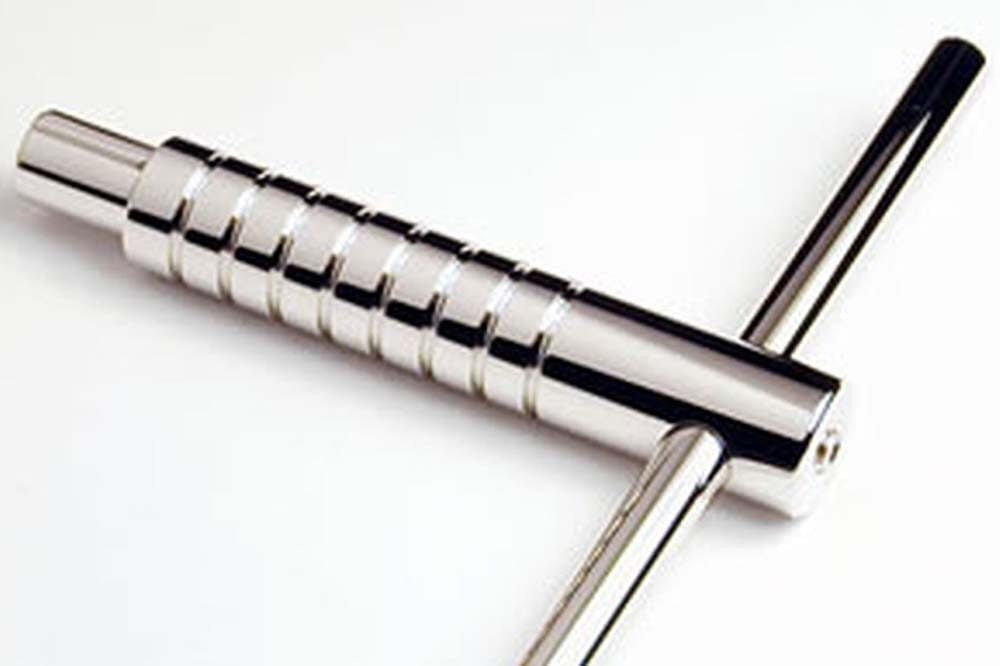
What is nickel plating?
Nickel plating is a process in which a thin layer of nickel is applied to a metal object. This can be done for both functional and aesthetic purposes. In industrial applications, nickel plating is often used as protection against corrosion, wear and tear and as a base coat for further chrome plating. Copper is often used as the basis for the nickel itself.
In electrolytic nickel plating, the workpiece is placed in a bath of nickel electrolyte as a cathode (negative pole). A
Supplies for nickel plating yourself
To get started with nickel plating at home, you need a number of essential materials:
- Nickel electrolyte – This is the liquid in which the nickel plating process takes place. The Caswell Bright Nickel electrolyte contains active nickel ions and is suitable for a clear and durable nickel layer.
- Nickel Anode – A high-quality nickel anode provides a stable release of nickel ions during the electrolytic process. Always use pure nickel anodes for a high-quality deposit.
- DC Power Supply – A DC power supply that provides a constant current. Preferably use an adjustable lab power supply, so that you can accurately set the correct amperage.
- Plastic nickel plate bath – A plastic container or bucket for the electrolyte.
- Hanging material – Use a nylon rod to hang the workpiece on a copper wire in the solution and make contact with the power supply. Good contact prevents uneven nickel deposits.
- Cleaning and degreasing agent – Thorough cleaning is crucial. Use a metal degreaser or acetone/alcohol to remove grease and dirt. Verzinkshop Metal Activator is ideal for removing oxidation and rust and cleaning an object uniformly.
- Protective equipment – Wear gloves and goggles and work in a well-ventilated area.
Nickel plating yourself: step-by-step plan
Below is a brief step-by-step plan to get started with electrolytic nickel plating yourself.
- Preparation of the workpiece: Carefully degrease and clean the metal surface. Any residual grease or dirt can cause poor adhesion of the nickel layer and can cause stains or other defects in the result.
- Setting up the nickel plate: Pour the nickel electrolyte into the plastic container. Hang the nickel anodes on the side and connect them to each other. Then connect the positive (+) of the power supply to the anode.
- Setting the power supply: Set the voltage (volts) to the maximum setting and turn the current (ampere) completely back to 0. Then turn off the power supply.
- Connecting the workpiece: Attach a copper wire to the object and hang it on the nylon rod completely submerged in the solution. Connect the minus (-) of the power supply to the workpiece.
- Electrolytic nickel plating: Turn on the power supply and increase the ampere setting as described in the manual. Leave the workpiece in the solution until the desired coating thickness is achieved.
- Rinse and dry: Turn off the power supply and rinse the object in clean water. Let it dry.
Tips for a perfect result
- Ensure a clean surface – Poor adhesion often occurs due to insufficient degreasing and cleaning.
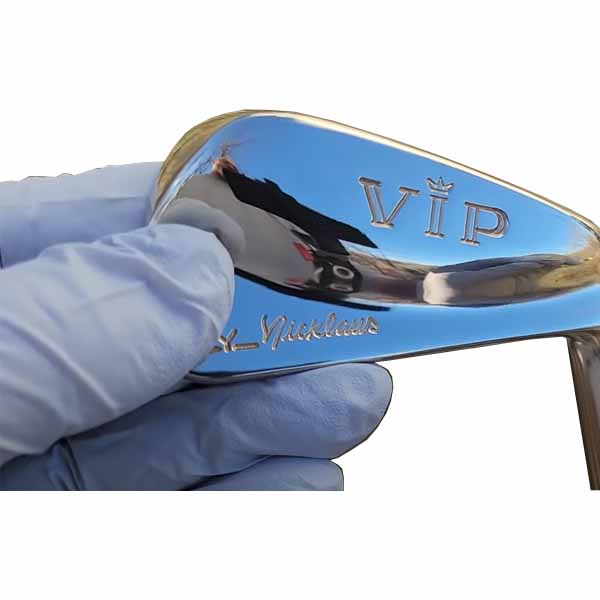
- Polishing: Do you want an extra high-gloss finish? Polish the object before applying the layer of nickel. The shinier the object is, the shinier the result will be.
- Use the right current – Too high a current can create a rough layer, while too low a current slows down the process and prevents it from shining.
- Work safely – Wear gloves and protective clothing, and avoid contact with the electrolyte solution.
Get started yourself!
With the right materials, you can easily nickel plating yourself. Whether you are a hobbyist or a professional, electrolytic nickel plating is simple and quick to do.
At Verzinkshop.nl you will find all the necessities to nickel plating yourself at home, from high-quality nickel electrolyte to complete nickel plating sets. In addition to standard electrolytic nickel plating, we also offer
- Nickel electrolyte – For shiny electrolytic nickel plating
- Black Nickel – For a deep black finish
- Zinc-nickel – Extra corrosion-resistant and strong
- One Plate Nickel – Electroless nickel plating without electrolytic setup
Do you have any questions or would you like advice? Feel free to contact us.